
Substance use health
Substance use is part of life for many people in British Columbia. This includes drinking alcohol or using cannabis or prescription drugs.
Many people use substances without harm. At the same time, it is important to understand the potential risks of using any substance and to take steps to reduce harm. In 2016, B.C. declared a public health emergency because many people were dying from overdoses. The illegal drug supply has become more toxic and dangerous. Learning about substances and the drug supply can help people make safer choices.
In 2024, Sidney McIntyre-Starko, a first-year UVic student, died after being exposed to toxic drugs. This loss deeply affected our campus community.
The University of Victoria is working to help students, staff and faculty understand the risks, reduce harms, and support health and safety.
Substance use health is a way of looking at why people use substances and how it affects their daily lives. It looks at how substance use can impact a person’s physical and mental health, and relationships.
Safer use
Visit UVic's Harm Reduction Centre for help with making informed and safer choices around substance use.
- If you use drugs, please don’t use alone.
- Know the substance you are using and its expected effects
- Go slowly and pace yourself
- Get your drugs checked
- Make sure you know how to recognize and respond to an overdose
- Carry naloxone and learn how to use it
Naloxone availability

We encourage you to seek training on the use of naloxone—it’s an effective treatment for drug overdose and can save lives. Make sure that naloxone is readily available and highly visible when using drugs.
Opioid emergency kits, including nasal naloxone, are available in common areas and lounges in UVic residence buildings. They are also installed in buildings across campus.
You can also pick up a free kit at the Harm Reduction Centre and Campus Pharmacy.
Naloxone training
Students can access training (including free kits) through the University of Victoria’s Student Society (UVSS), in partnership with Student Wellness. Or book a private appointment with a UVic nurse for training and a free naloxone kit.
Everyone can learn about harm reduction and naloxone use for free at Toward the Heart, Canadian Red Cross and the Canadian Pharmacy Association.
Drug checking
If you’re going to use drugs, please check them to make sure they’re as safe as possible. Drug checking can determine a sample’s main active ingredients, fillers or cutting agents, any unexpected drugs, and the presence of fentanyl.
Learn how and where to check your drugs at substance.uvic.ca. Fentanyl testing strips are also available at the Harm Reduction Centre.
Cannabis use at UVic
Cannabis use is legal in British Columbia. Like tobacco, smoking and vaping cannabis is restricted to certain areas of campus.
Learn about cannabis use at UVic, including where it is permitted and how to make informed choices.
Alcohol consumption
If you drink, please drink responsibly. Learn how you can make safer choices around alcohol consumption. Please pour your own drinks and never leave your drinks unattended. Learn aboutsteps you can take to protect yourself and others from drink tampering.
First aid & emergency response
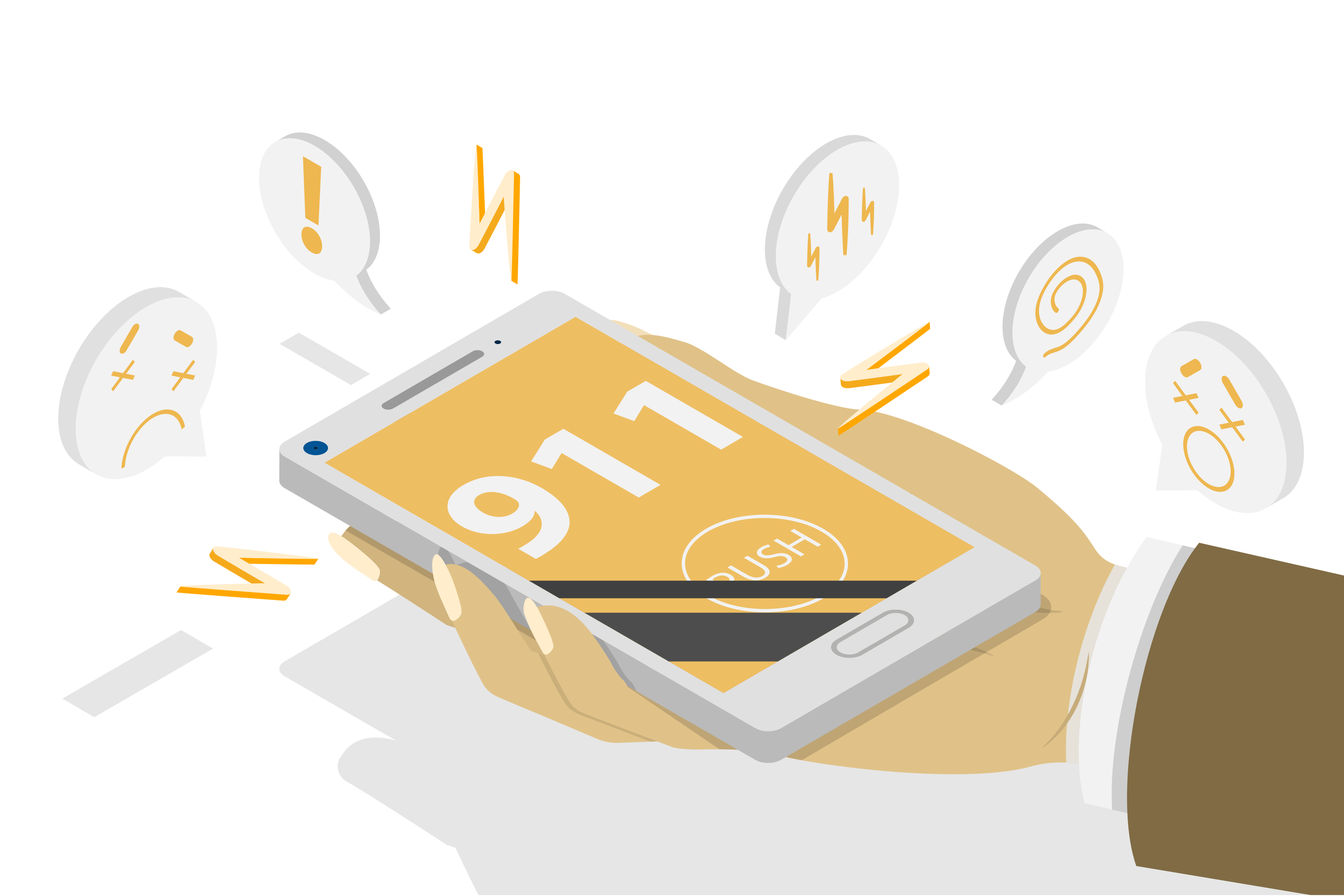
If you or someone near you begins showing any signs of overdose or over-intoxication, please call 9-1-1.
Provide your building name, building number (if known) and room number to the 9-1-1 operator.
Always call 9-1-1 first. If you’re on campus, you can then contact Campus Security at 250-721-7599.
- Not moving and can’t be woken
- Slow, shallow breathing or not breathing
- Blue lips and nails
- Person may be choking, making gurgling sounds, or snoring
- Cold, clammy skin
- Pupils are tiny
- Call 9-1-1, then Campus Security at 250-721-7599.
- Give 1 breath every 5 seconds
- Give Naloxone
- The Good Samaritan Drug Overdose Act provides legal protection for people who call for help about an overdose.
-
You will not get into trouble from UVic if you call for help – even if you’ve used substances and/or are in possession of substances. Learn more.
AEDs & Opioid emergency kits
Automatic External Defibrillators (AEDs) and opioid emergency kits are installed in buildings across campus. The kits are intended for emergency use and contain easy-to-follow instructions.
AEDs and opioid emergency kits are life saving tools.
Emergency contacts
UVic students, staff and faculty must provide two emergency contacts. We have policies in place to ensure these emergency contacts are used appropriately and that your privacy is protected. You can update your emergency contacts in online tools.
Campus first aid response
In an emergency, call 9-1-1 and then Campus Security (CSEC).
CSEC Officers receive naloxone training, basic life support and oxygen therapy training. Learn more about campus first aid
Substance Use Health Strategy
UVic recognizes the importance of supporting substance-use health. We are working to improve awareness, reduce harm, and strengthen how we support the health, safety, and well-being of our campus community. Our Substance Use Health Strategy: a whole-campus approach to safety & well-being outlines clear actions to reduce harm, promote well-being and build a campus culture of care around substance use.
It was informed by:
- The external review and Coroner’s inquest into the death of first-year student Sidney McIntyre-Starko
- Recommendations from the Students’ Assembly
- Engagement with students, staff and faculty, including those with lived and living experience
- Sector knowledge, including provincial guidelines
- UVic researchers’ expertise
Goals
- Promote a culture of health, safety and well-being
- Prevent substance-related harms
- Improve access to mental-health and substance-use information and supports
- Strengthen awareness, education and response
- Foster collaboration, evaluation and continuous improvement.
Everyone at UVic has a role in supporting substance use health. This strategy helps our community work together so people can get the help and support they need.
Governance
UVic’s Substance Use Health Steering Committee guides substance use health at UVic.
The committee is chaired by the Special Advisor to the Executive Council on Substance Use Health. It brings together leaders from across campus. They work together to choose priorities and coordinate efforts. They may also form advisory groups to hear more voices and build stronger connections.
We’re taking a campus-wide approach to substance use health. Our goal is to make UVic a safe and welcoming place for students, staff, and faculty.
Membership
- Special Advisor/Chair: Jennifer White
- Student Affairs (STUA): Jim Dunsdon
- Equity and Human Rights (EQHR): Cassbreea Dewis
- Campus Security (CSEC): Jessica Maclean
- Human Resources (HR): Kane Kilbey
- External Relations (CGR): Jennifer Vornbrock
- Indigenous Academic and Community Engagement (IACE): Jacquie Green
- Faculty Research Rep/ CISUR: Bernie Pauly
- Undergraduate Students (UVSS) Rep: Michael Caryk
- Graduate Students Society (GSS) Rep: Kyla Turner
Contact us
Have a question or need more information? Contact us at substanceusehealth@uvic.ca or vist the Harm Reduction Centre.Resources & support
- Student Wellness provides some helpful considerations to help inform your choices around substance use
- UVic Harm Reduction Centre aims to help UVic students to make more informed and safer choices around sex and substance use
- Safer Substance Use Guides are available 24/7 in the lobby of Campus Security
- Naloxone training is offered through the UVSS and Toward the Heart
- Opioid overdose response guide
- Substance drug checking is available to help you check for toxic elements in your substances
- Toward the Heart provides links to safe injection resources, overdose support groups, naloxone training, toxic drug alerts and more
- HereToHelp has activities to help you think about your own substance use
- Substance Use Blood Alcohol Calculator is a tool to help you anticipate your blood alcohol content over the time you expect to drink
- Check Your Drinking helps users get a full picture of their alcohol consumption
- Help Starts Here is a mental health and addictions resource hub from the government of BC
Research impact

Canadian Institute for Substance Use Research
The Canadian Institute for Substance Use Research (CISUR) is a network of individuals and groups dedicated to the study of substance use and addiction. They support community-wide efforts to promote health and reduce harm.

Co/Lab
The Collaborative Community Laboratory on Substance Use and Harm Reduction (Co/Lab) is a collaborative network for research and knowledge exchange that aims to promote health and health equity for people who use drugs and alcohol.

Substance Drug Checking
Substance drug checking is a team of chemists, social workers, computer scientists, pharmacists, and people who use drugs, partnering to provide and evaluate drug checking services in Victoria, British Columbia.