This website stores cookies on your computer. These cookies are used to collect information about how you interact with our website and allow us to remember your browser. We use this information to improve and customize your browsing experience, for analytics and metrics about our visitors both on this website and other media, and for marketing purposes. By using this website, you accept and agree to be bound by UVic’s Terms of Use for web and social media privacy.  If you do not agree to the above, you can configure your browser’s setting to “do not track.”

Skip to main content
Pacific Climate Impacts Consortium logo
Photo of a ferry on a lake, with mountains in the background

Join PCIC's network

Stay up to date with our research, news, and events

Subscribe

PCIC updates

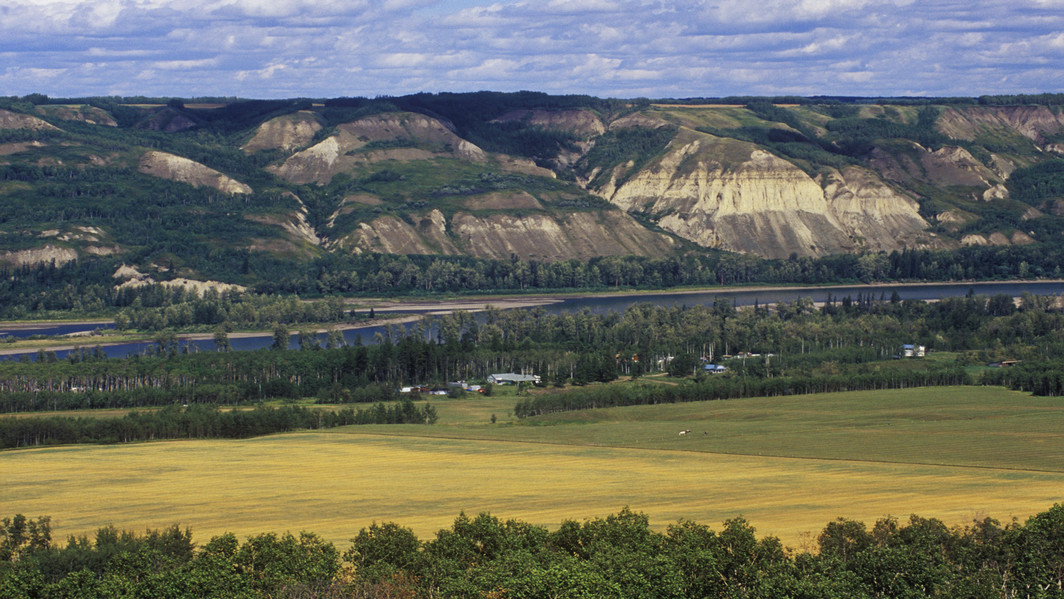
Landscape of Peace River with farmland, river, and hills

PCIC seminar November 19

Join us for the Pacific Climate Seminar Series on November 19, 10-11am PCT and hear from Dr. Neil Swart.

Neil will introduce the newly released Canadian Earth System Model CanESM6, a global climate model of the entire Earth system including the ocean, land surface, and atmosphere. He will also preview the upcoming Coupled Model Intercomparison Phase 7 (CMIP7) which represents the newest generation of international climate modeling led by the World Climate Research Programme - state-of-the-art climate modeling that is used around the globe.

mountains and text showing strategic plan 2026-2030

Strategic Plan 2026-30

PCIC is pleased to announce the release of our new Strategic Plan for 2026-2030, which outlines our vision, values and priorities over the next five years. The plan reaffirms our commitment to providing trusted climate information and expertise, strengthening partnerships, and supporting communities, governments, and organizations across British Columbia as they prepare for a changing climate.

close up of cedar branches

Territory acknowledgement

We acknowledge and respect the Lək̓ʷəŋən (Songhees and Xʷsepsəm/Esquimalt) Peoples on whose territory the university stands, and the Lək̓ʷəŋən and W̱SÁNEĆ Peoples whose historical relationships with the land continue to this day.