
Dr. Stephanie Willerth
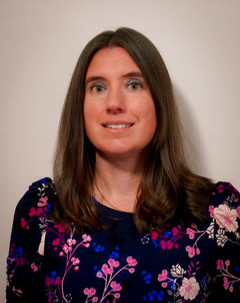
Professor
Mechanical Engineering
- Contact:
- Office: Engineering Office Wing, Room 513 willerth@uvic.ca 250-721-7303
- Credentials:
- SB (MIT), MS (Wash U), PhD (Wash U)
- Area(s) of expertise:
- Tissue engineered scaffolds for promoting stem cell differentiation, novel drug delivery systems, and analysis of stem cell differentiation using next generation sequencing
- Related links:
Research
3D bioprinting generates tissues on demand by using cell laden bioinks patterned structures based on specifications provided in a computer file. This field has progressed a rapid rate and recent technological advances have enabled the generation of human tissue models with physiological properties that are suitable for applications, including drug screening and regenerative medicine. The Willerth lab uses 3D bioprinting to address significant biological problems in the areas of tissue engineering and regenerative medicine and are an international leader in this field. They have developed a novel fibrin-based bioink called TissuePrint for bioprinting human tissues that has been commercialized through the award-winning spin-off company – Axolotl Biosciences. We have developed several tissue models using TissuePrint, including constructs derived from human induced pluripotent stem cells (hiPSCs), which can become any cell type found in the body. More recent work has focused on developing “smart” bioinks that contain drug releasing microspheres produced using microfluidics as a way to improve the reproducibility of the bioprinting process. Using our novel, patent-pending BrainPrint bioink, we have generated tissues with chemical and electrical properties similar to that of the brain and spinal cord.
Dr. Willerth is a Fellow of the International Society of Biomaterials Science and Engineering, the Engineers Institute of Canada, and the Canadian Society of Senior Engineers.