
 Why study philosophy at UVic?
 Courses
 Applying to UVic





In Memoriam
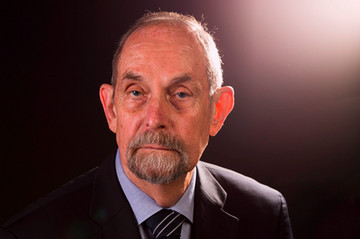
It is with great sadness that we announce the sudden passing of our colleague Eike-Henner Kluge on September 9, 2026. Eike was the longest serving member of the Philosophy Department and had a distinguished career as a scholar, teacher, administrator, and public intellectual. Eike was a member of the Royal Society of Canada and a former chair of the Philosophy Department. He was awarded the Abbyann Lynch Medal in Bioethics and the Award for Research Excellence in the Faculty of Humanities. Eike was a highly productive scholar with diverse research interests ranging from topics in the history of philosophy concerning medieval and Islamic philosophy to topics in bioethics about death, dying, and electronic storage of health records. As one of Canada’s foremost bioethicists, his scholarship about topics such as abortion and medical assistance in dying influenced academic scholarship and shaped public policy. Similarly, his teaching in these areas inspired many generations of students. Through his long career, Eike was sought after as a consultant, advisor to government, and public commentator in the media. Eike was a remarkable presence in the Department whose usual serious demeanor had a tendency to belie a wry sense of humour. He will be missed.
Ask the big questions. Think the big ideas.
Join the conversation and find your edge in philosophy
Philosophy places a distinctive emphasis on students’ critically reflecting on their beliefs and values, thoughtfully engaging with others’ positions, and articulating good reasons for their own. In this way, the value of philosophy extends far beyond its subject matter.”
—Patrick Rysiew, Chair
Explore our program's learning outcomes


The Philosophy Department is committed to providing an environment for all students, staff, and faculty that is safe, inclusive, and respectful. We affirm the diverse identities of persons and the rights all individuals have to be treated with dignity and respect irrespective of their gender, race, sexual orientation, ethnicity, religion, class, or national origin. This basic commitment entails, among other things, specific recognition and support for trans, queer, two-spirited, and non-binary people and we respect individuals’ rights to self-determination and self-description.
We acknowledge and respect the lək̓ʷəŋən peoples on whose traditional territory the University of Victoria stands, and the Songhees, Esquimalt and W̱SÁNEĆ peoples whose historical relationships with the land continue to this day.