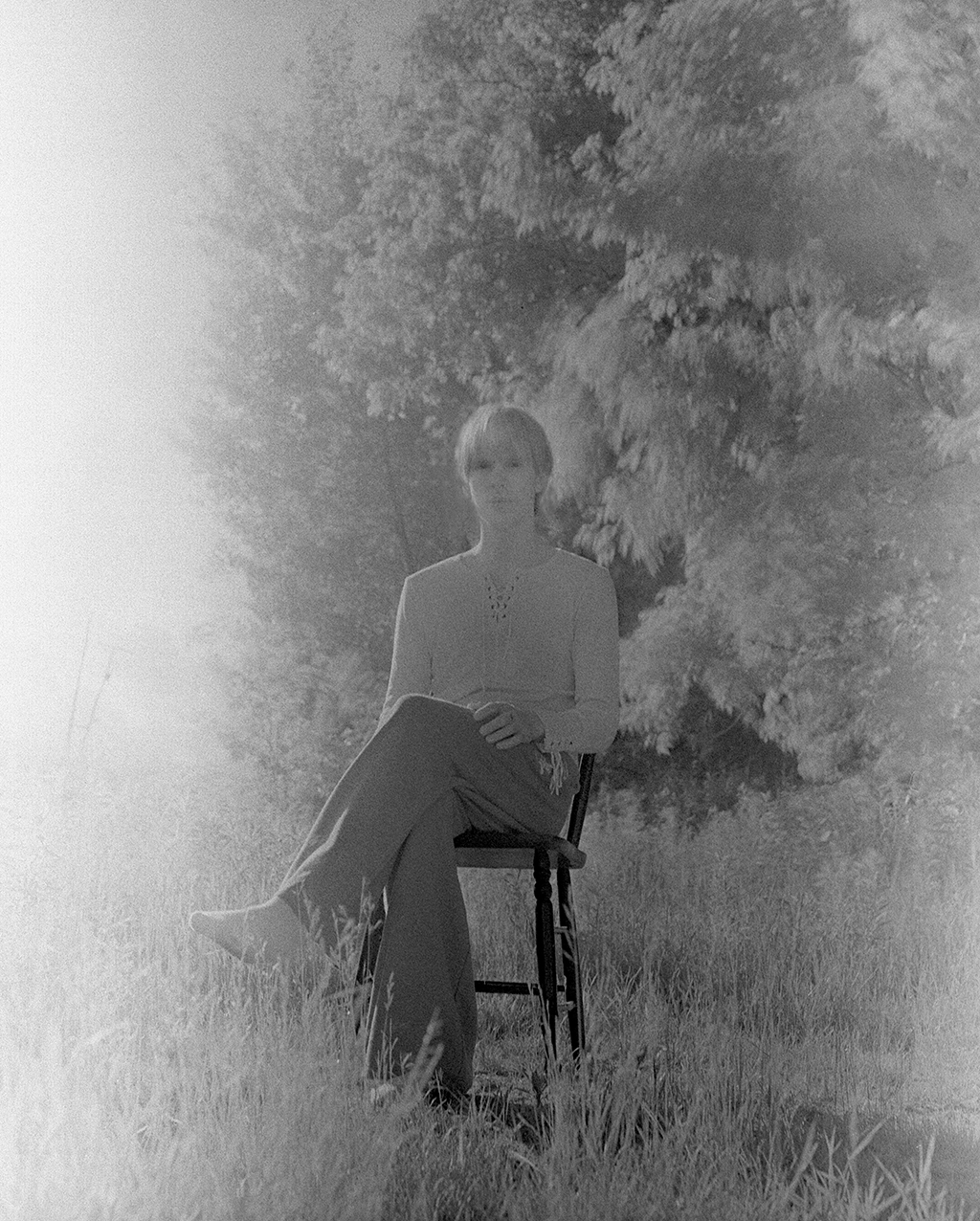
Graduate students
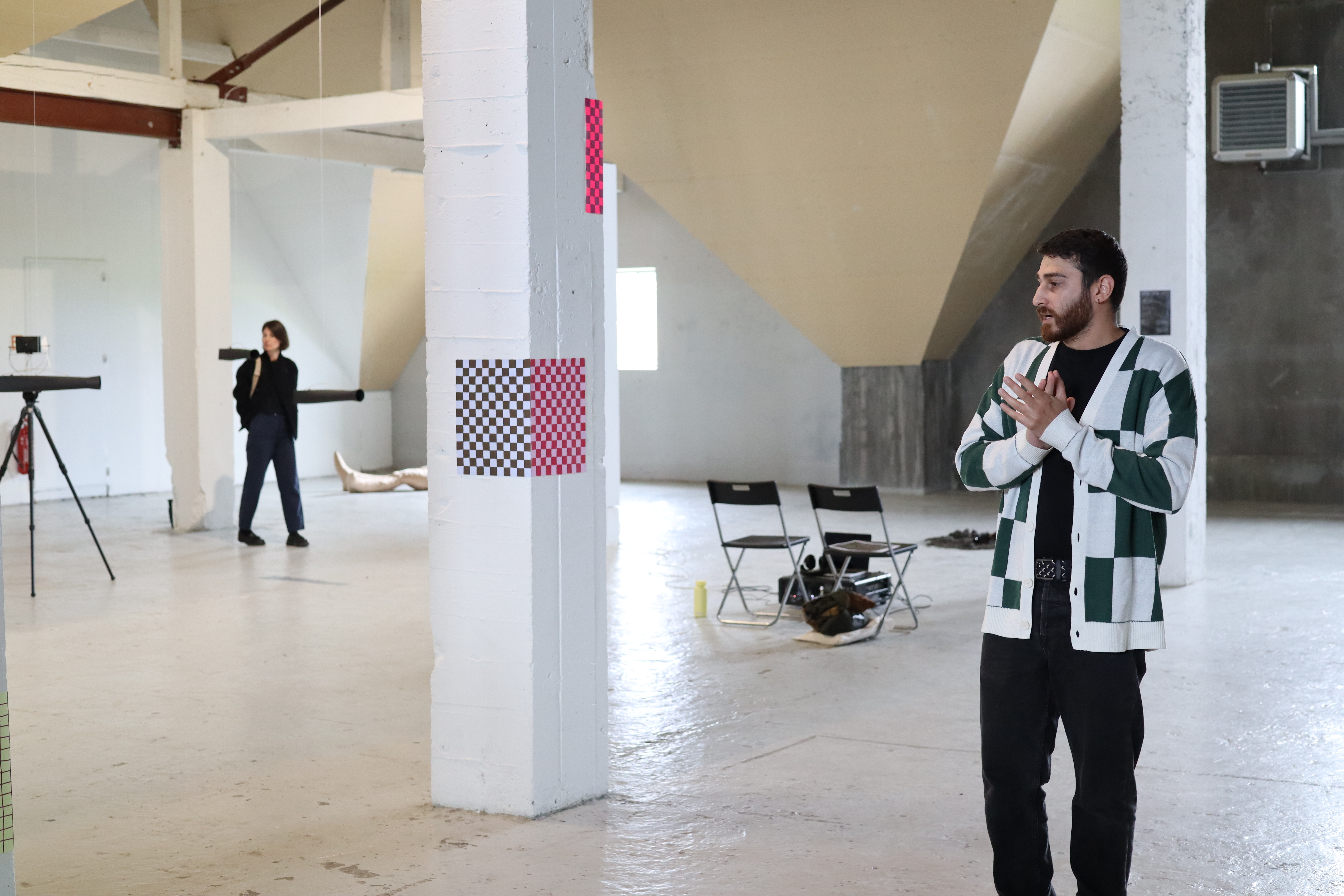
Moozhan Ahmadzadegan
Painting, screenprinting, textiles, installation

Jillian Bogan
discipline
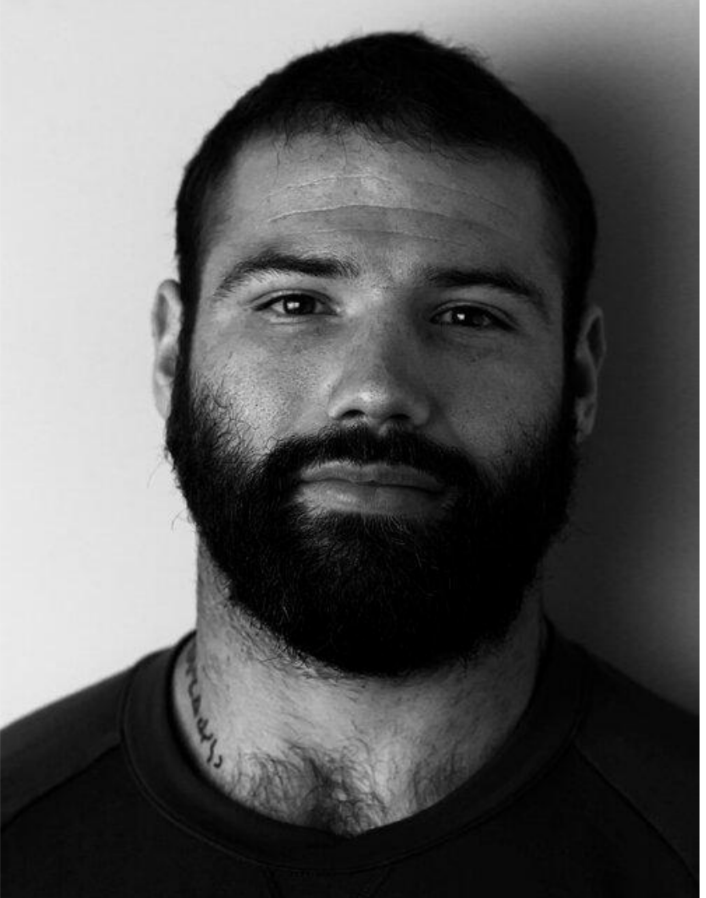
Jesse Campbell
Multidisciplinary
My name is Jesse Campbell, my ancestry on my Mother’s side is Métis, Salteaux, and Cree and on my Father’s side I am mixed European. I am a registered member of the Manitoba Métis Federation. I live and work on
the unceeded lands of the Lekwungen people. I have worked as a professional Mural Artist since 2010 and have worked full time as a professional artist and arts facilitator since 2018. Presently I am a Masters of Fine Arts Student at Uvic, the director of Tah’lum Indigenous Artists Collective and the soul proprietor of Campbell Visual Arts. Most of my practice centres public art installation and working with other First Nations artists as an arts advisor and facilitator. My philosophy in my work is around the principles of Wakatowin, “work in a good way”, meaning I try to show up with good intentions in my work and provide space for collaboration with other First Nations artists through a relationship of mutual respect
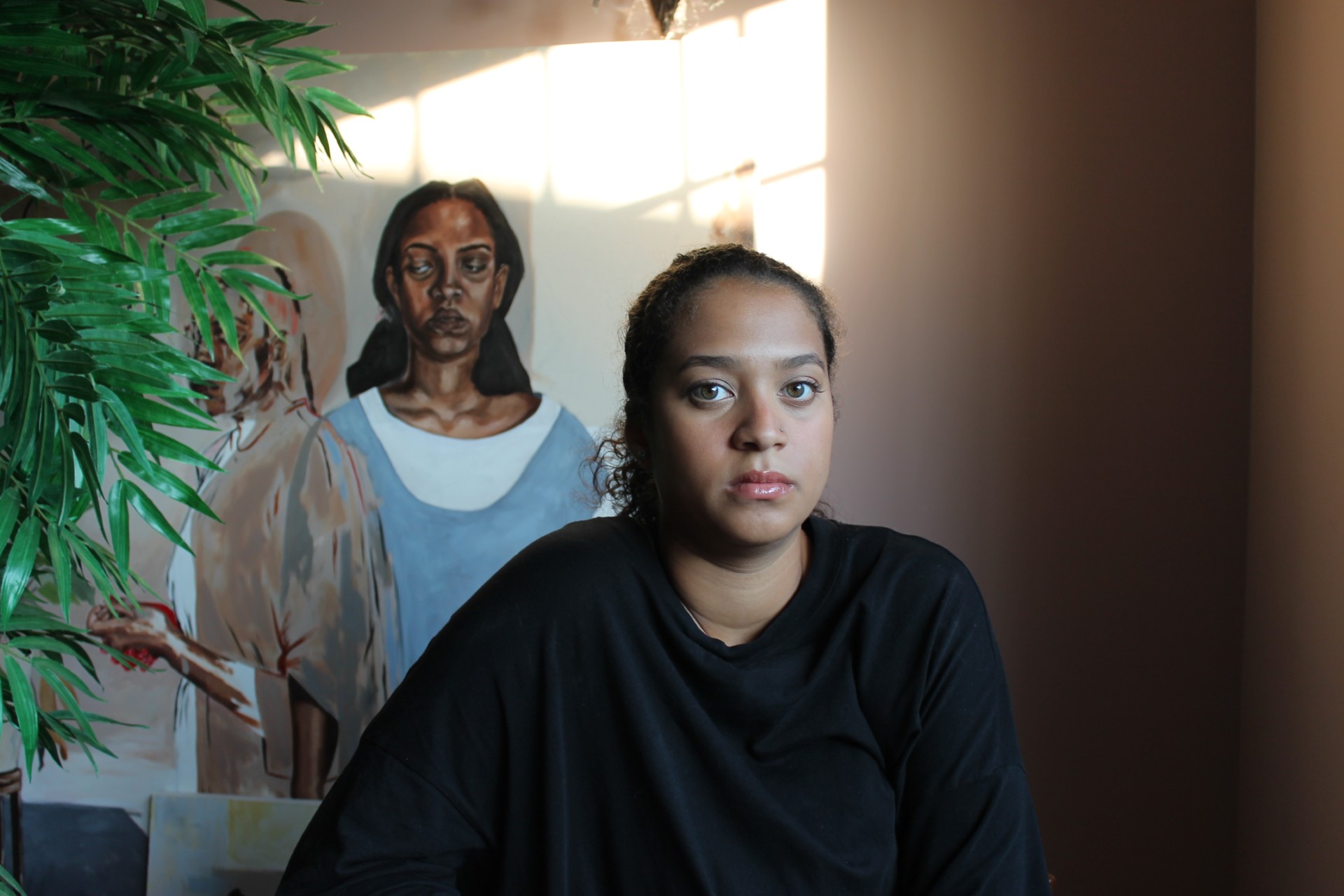
Bria Fernandes
Painting
My practice delves into racial and diasporic experiences, combining abstract and figurative elements to construct layered narratives. My figures, often expressionless, are tethered to objects or other figures, their relationships amplifying meaning. By integrating symbolic elements, including meaningful objects and animals that embody emotions tied to my cultural experiences, I examine vulnerability, identity, and belonging.
Omission, silence, and exclusion are central tools in my work, evoking a sense of voicelessness. I create interactive environments where figures and objects inhabit spaces filled with cultural and emotional resonance, examining the intersections of personal and collective experiences within diasporic communities.
Through this exploration, my work questions cultural belonging and identity, transforming forms into vessels of shared narratives. I aim to create imagery that speaks to the intricacies of lived experiences and the emotional threads that connect us.
Born in Ottawa, Ontario, Fernandes is currently based in Victoria, British Columbia, where she is pursuing a Master of Fine Arts in Visual Arts at the University of Victoria. She received her Bachelor of Fine Arts from the Alberta University of the Arts in 2024.
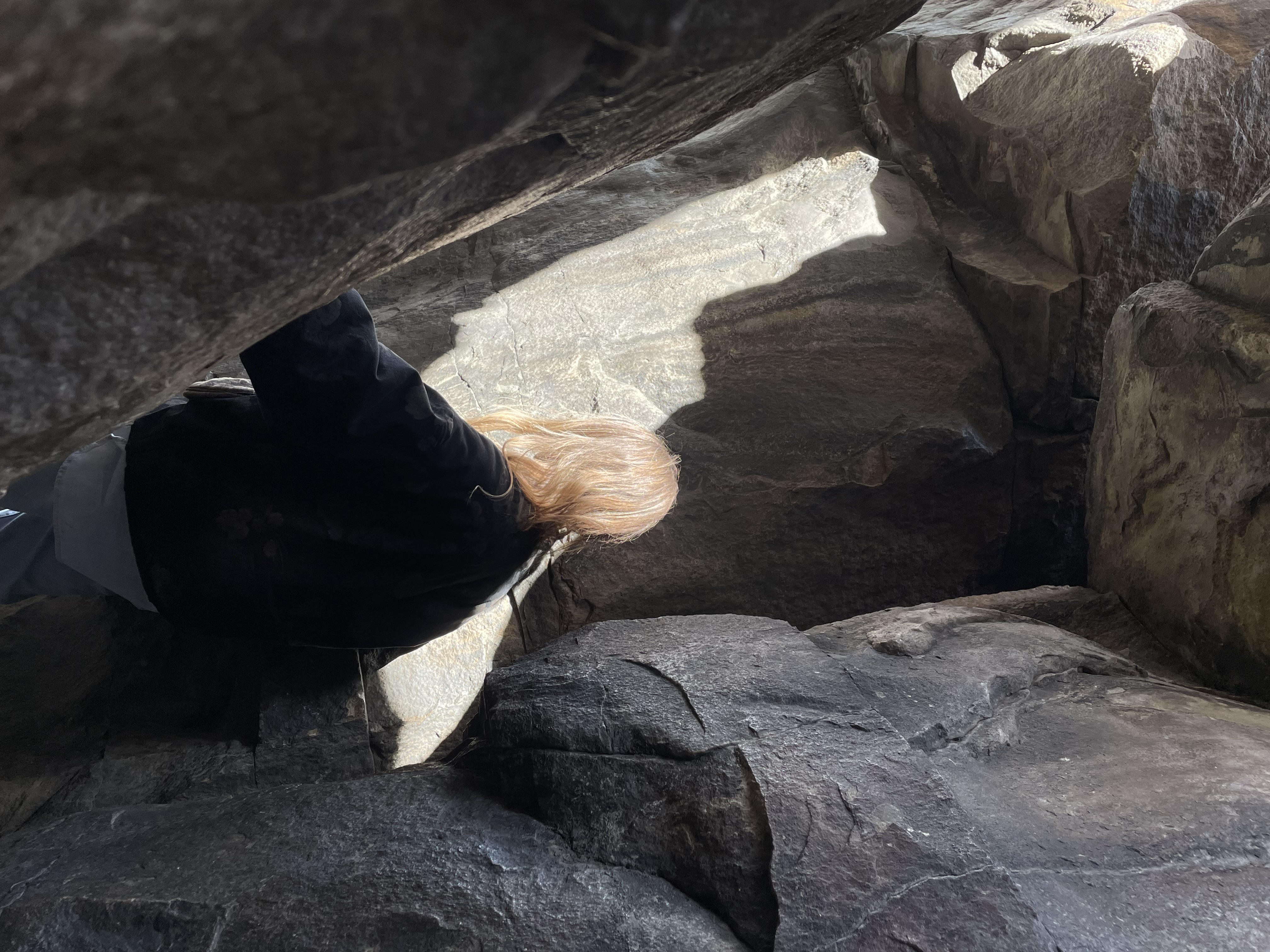
Corrie Hamm
multi-disciplinary
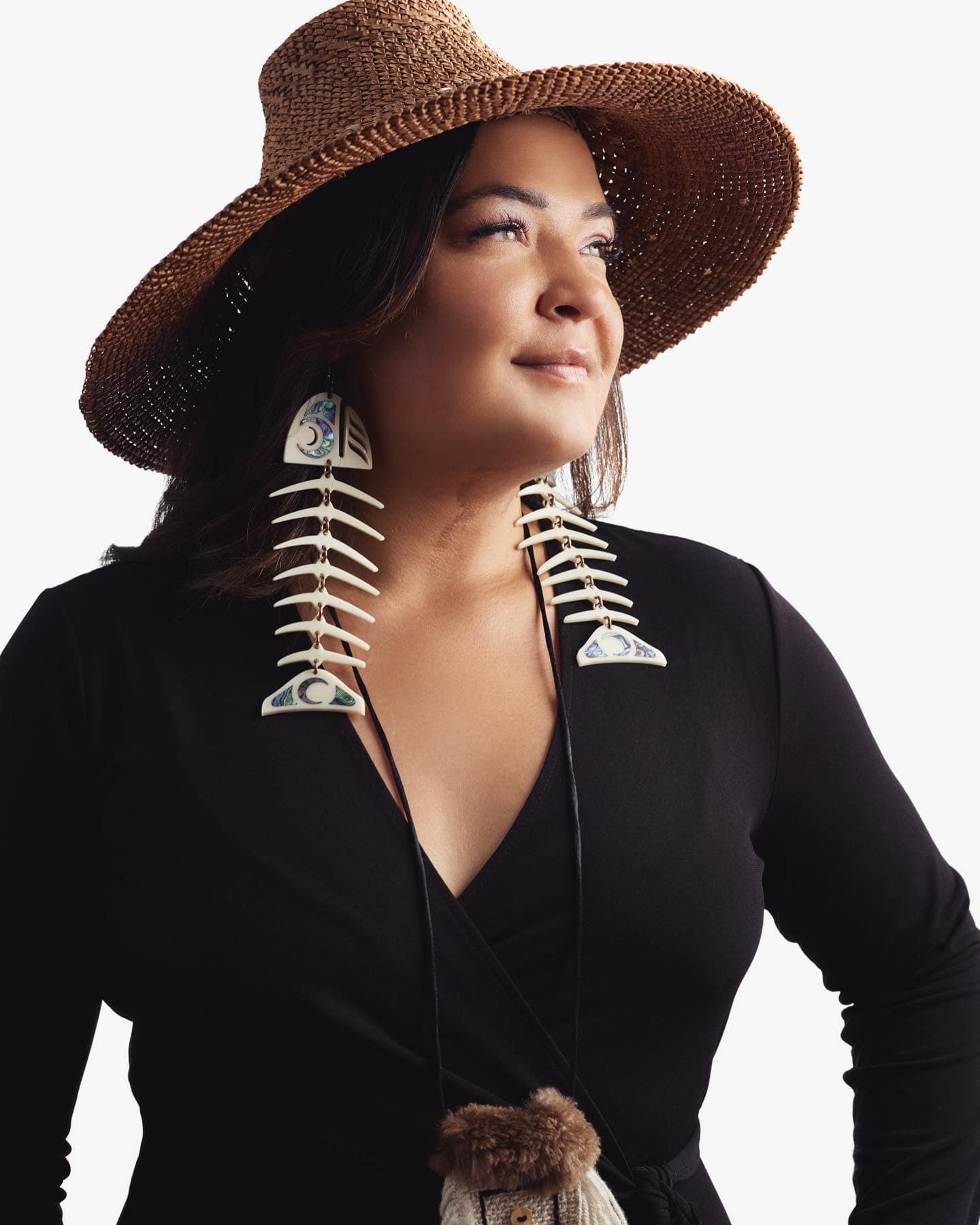
Guna Jensen
Interdisciplinary
Guná is a Tlingit artist, educator, dancer, and cultural worker of Dakhká Tlingit and Tagish Khwáan ancestry from the Dahk’laweidi Clan. Rooted in Northwest Coast art and design, her interdisciplinary practice weaves together formline, painting, storytelling, performance, and cultural knowledge to explore themes of identity,
cultural continuity, decolonization, healing, and Indigenous resurgence.
Trained by Northwest Coast masters including William Wasden and Mike Dangeli, and educated at Emily Carr University of Art and Design, Guná honours ancestral Tlingit art practices while expanding them through a bold contemporary visual language. Her work moves between classical Northwest Coast design and contemporary mediums, creating spaces where cultural memory, truth-telling, and embodied storytelling
converge.
Guná’s work has been exhibited in galleries across Canada and recognized through awards and nominations including the William and Meredith Sanderson Prize for Emerging Canadian Artists, the Yukon Art Prize longlist, and the Sobey Art Award longlist. Alongside her studio practice, she has shared her work through lectures,
workshops, artist talks, and cultural programming at institutions including Princeton University, Emily Carr University, and Stellenbosch University in South Africa.
For Guná, art is not separate from cultural responsibility. Through visual art, education, performance, and public engagement, she remains committed to strengthening Indigenous visual literacy, advocating for cultural sovereignty, and creating work that invites reflection, connection, and healing.
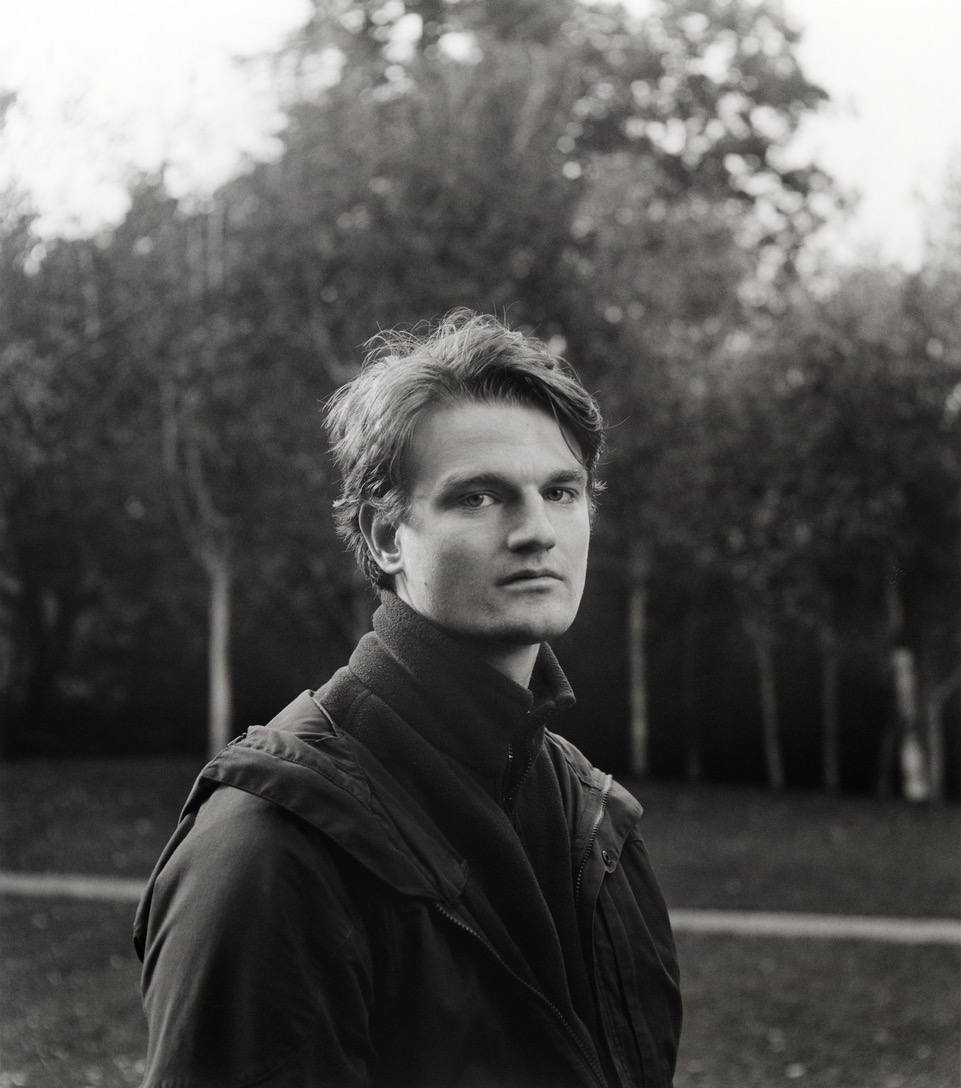
Graeme Jones
Still and moving image
Jones’ practice involves a diaristic approach to photography, creating photographs of day-to-day events. Curated into series, these photographs invent the story of life through his eyes. In his constructed photographic work, Jones creates scenes reminiscent of stills from films or magazines, casting himself and others as imaginary characters in open-ended stories. The use of cinematic and other visual languages determines the sense of reality in the work, and challenges viewers to take notice of the invisible influences on their interpretation of media.
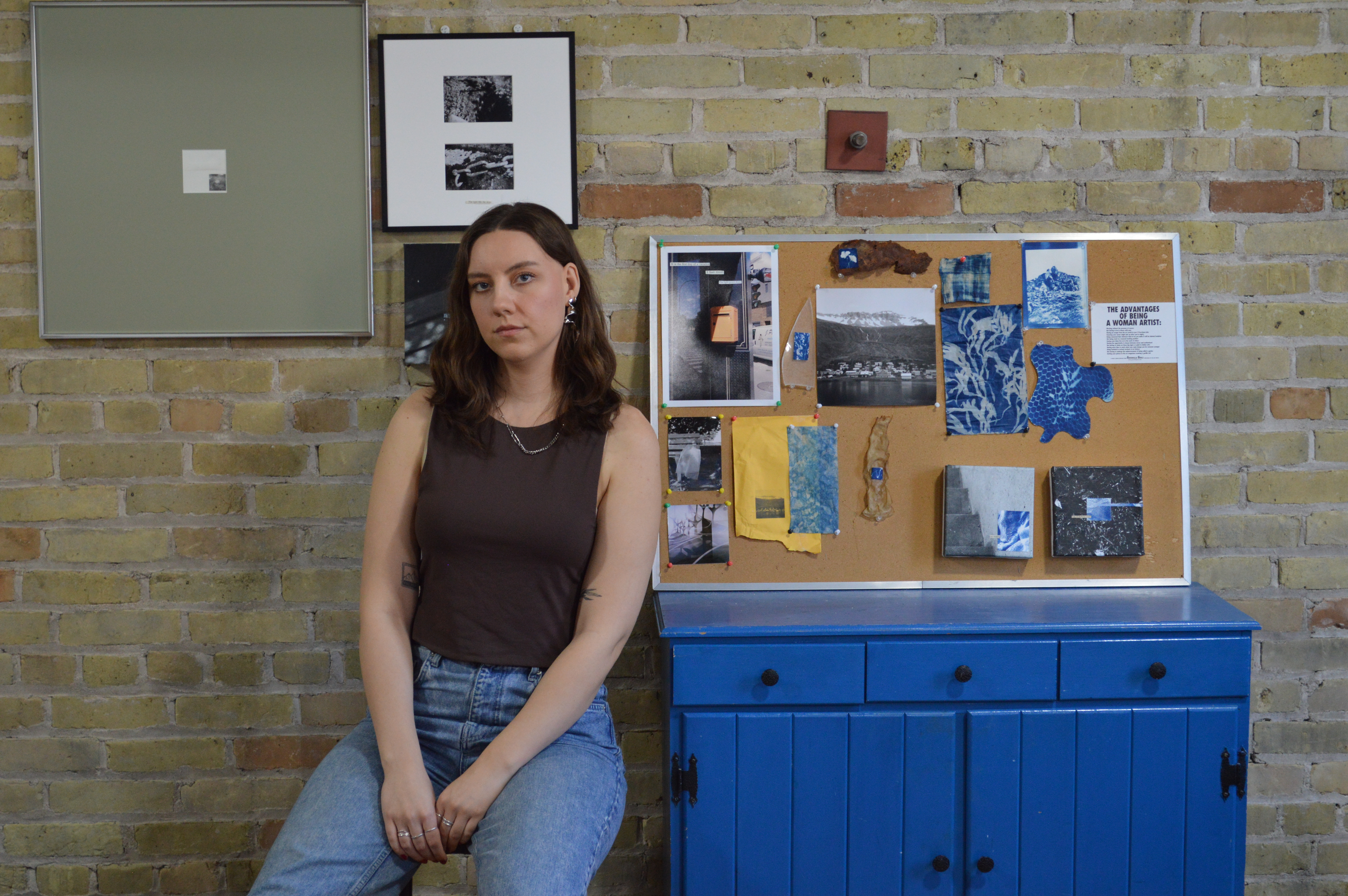
Bronwyn Lutz-Greenhow
Photography, video, and cyanotype
Bronwyn Lutz-Greenhow is an artist with roots in Vancouver, British Columbia the traditional unceded territories of the Musqueam, Squamish and Tsleil-Waututh Nations and Winnipeg, Manitoba (Treaty 1 territory). She received her BFA with Honours from the University of Manitoba in 2022. She works with photography, video and cyanotype to engage with memory and place, exploring the intertwinement between landscapes and site-specific memories. Bronwyn's practice involves collaboration with the land, analog processes, found materials, and text-based interventions, producing intimate, materially sensitive works that invite slow looking and quiet reflection.
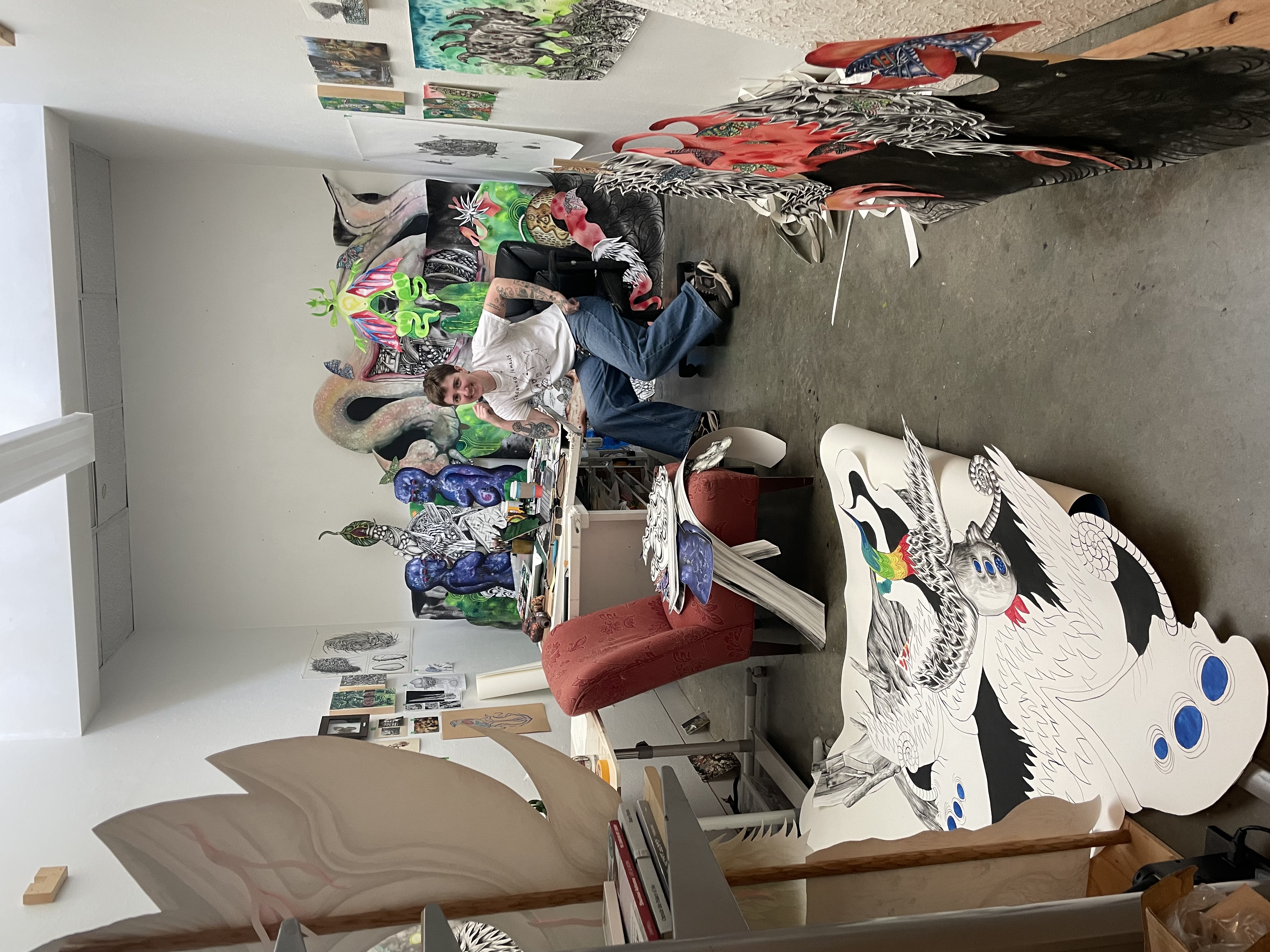
Ivy Miller
Multidisciplinary
Ivy Miller’s work blends research on biological processes with imagination and comic aesthetics to make sense of the world around her. Ivy creates immersive visual environments that rapidly adapt, transform, and become. She explores how environments and bodies fluctuate over time, especially under tension. Through visual representations of insects, monsters, multilayered bodies, and fragmented landscapes, her work depicts nonlinear, fluctuating processes of transformation and questions how the body and environment become within apocalyptic landscapes.
Ivy is based in Victoria, British Columbia, located on the traditional and unceded territories of the Songhees, Xwsepsum (Esquimalt), and W̱SÁNEĆ nations.
Ivy received a Bachelor of Arts degree from Vancouver Island University and is currently asecond-year MFA student at the University of Victoria.

Francis Okai
Multidisciplinary
Working with mixed media, Okai often creates canvases from recycled denim sourced from Kantamanto Market in Accra, embedding sustainability and material history into his process. His work reflects an ongoing inquiry into material transformation, cultural narratives, and experiential spaces.