
Dr. Caren Helbing
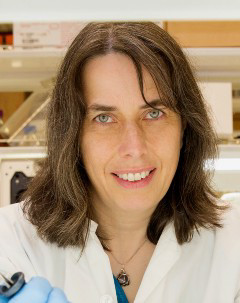
Professor
Molecular Life Sciences
- Contact:
- chelbing@uvic.ca 250-721-6146
- ORCID:
- 0000-0002-8861-1070
- Credentials:
- BSc, PhD (Western)
- Area(s) of expertise:
- Thyroid hormone signalling, environmental contaminants, environmental DNA, antimicrobial peptides, biodiversity, and planetary health.
Dr. Caren Helbing is a Professor in the School of Molecular Life Sciences. Academic credentials include a BSc (Honours) from the University of Windsor and a PhD from Western University.
Planetary health research at UVic
Research Interests
Dr. Helbing studies how biological molecules can provide information about the health of animals, people, and ecosystems. One area of her research examines thyroid hormones, which regulate development and many other processes in vertebrate animals. Her team investigates how environmental contaminants, pharmaceuticals, and personal-care products may interfere with normal hormone activity. A second area focuses on discovering antimicrobial and host-defence peptides that could provide alternatives to conventional antibiotics. Her laboratory also develops environmental DNA methods that detect traces of genetic material left by animals in water, soil, or other environmental samples. By combining molecular biology with field-based research, her group uses wildlife and ecosystem health as important indicators of broader environmental and human health.