
What does CAPI do?
Established in 1988, the Centre for Asia-Pacific Initiatives (CAPI) is located at the University of Victoria in British Columbia, Canada. CAPI is a research centre focused on research, education and community engagement in the Asia-Pacific.
The Centre facilitates international conferences, events, and research projects for faculty and area experts as well as experiential learning opportunities for students. Since its inception in 1988, CAPI acts as a vital link between UVic and the Asia–Pacific region, providing opportunities and initiatives that bring scholars and others together.
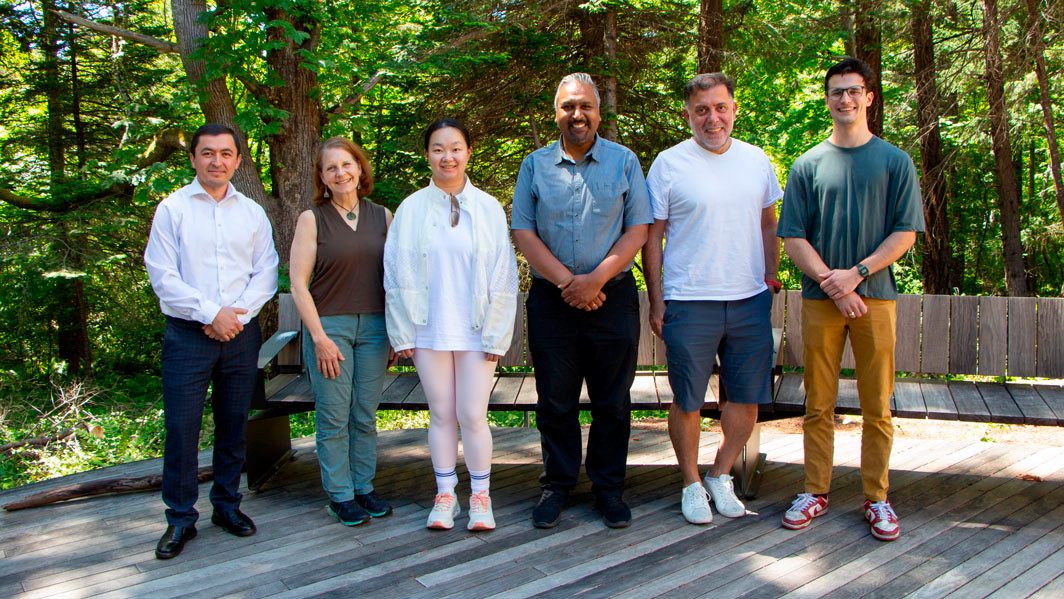
Indo-Pacific Scholarships and Fellowships for Canadians (IPSFC)
Meet the faculty and students who have won fellowships supporting their outbound research furthering Canada's Indo-Pacific Strategy.
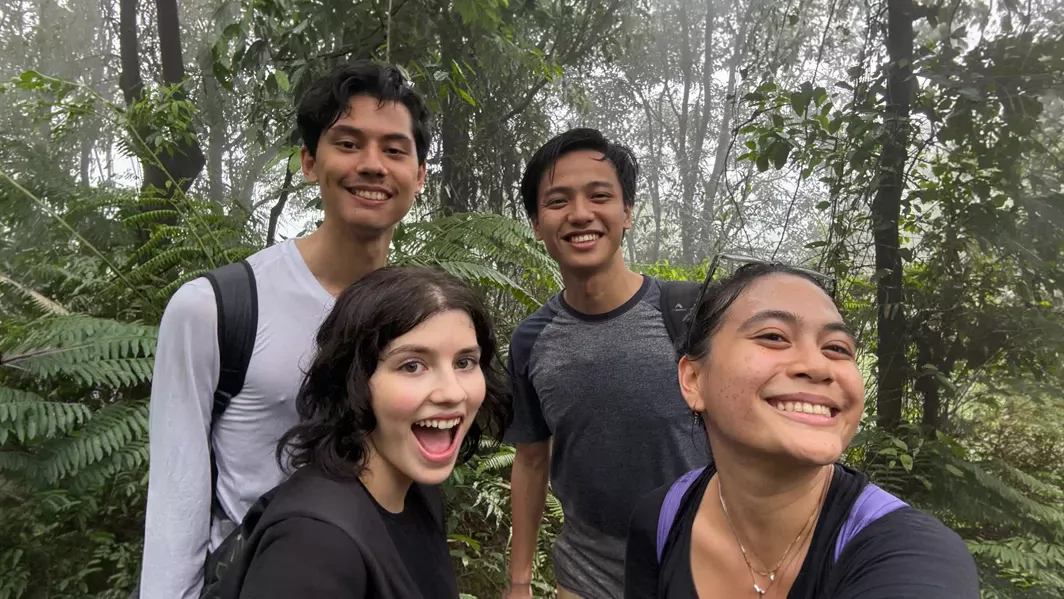
CAPI internship program
Since 2003, CAPI has sent over 200 Canadian students on life-changing placements with non-governmental organizations across the Asia-Pacific.
CAPI is offering internship opportunities across Asia in 2027, including in Malaysia, Thailand, Indonesia and Japan. See below for instructions and current opportunities.
News

CAPI co-hosts Canada – Thailand Dialogue in Bangkok
November 10, 2026
On November 10, in collaboration with the Canadian Embassy in Thailand and the Thailand Development Research Institute, CAPI co-hosted and co-organised Resilience, Partnership, and...

Rare Chinese TV Series finds new life
November 5, 2026
UVic Libraries has launched a project which has been years in the making - creating a digital exhibition and teaching resource based around the long-forgotten TV adaptation of Zhang...
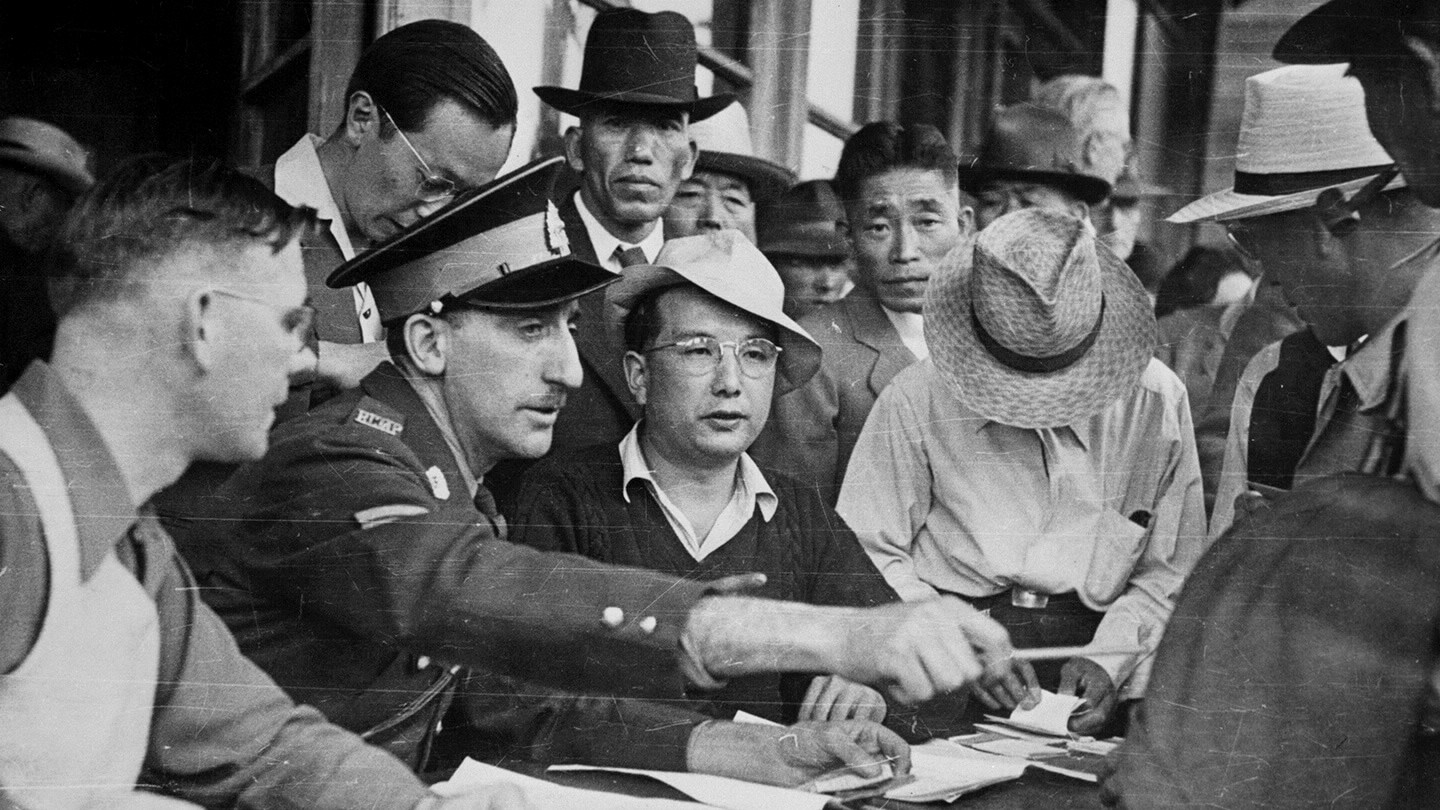
Post-war legal battle that changed Canadian citizenship
January 9, 2026
In this Q&A, Dr. Jordan Stanger-Ross discusses key themes from Challenging Exile: Japanese Canadians and the Wartime Constitution. Co-authored by University of Alberta legal scholar Eric M....
Events

Territory acknowledgement
We acknowledge and respect the Lək̓ʷəŋən (Songhees and Xʷsepsəm/Esquimalt) Peoples on whose territory the university stands, and the Lək̓ʷəŋən and W̱SÁNEĆ Peoples whose historical relationships with the land continue to this day.