
2025: Year in Review
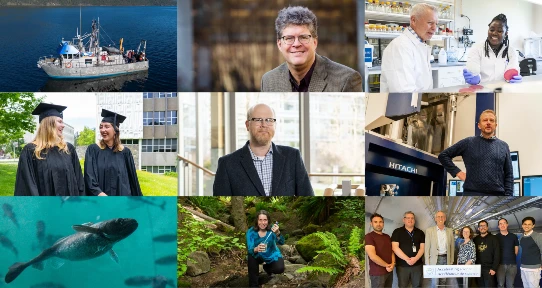
As the year comes to an end, we’re taking a moment to look back at 2025.
Our students and researchers have had a successful year, making research advances and breakthroughs, winning major awards for their work, contributing to science outreach and so much more—the list of what our students and faculty have accomplished in just 365 days truly feels endless.
Join us in looking back at some of our favourite accomplishments of 2025.
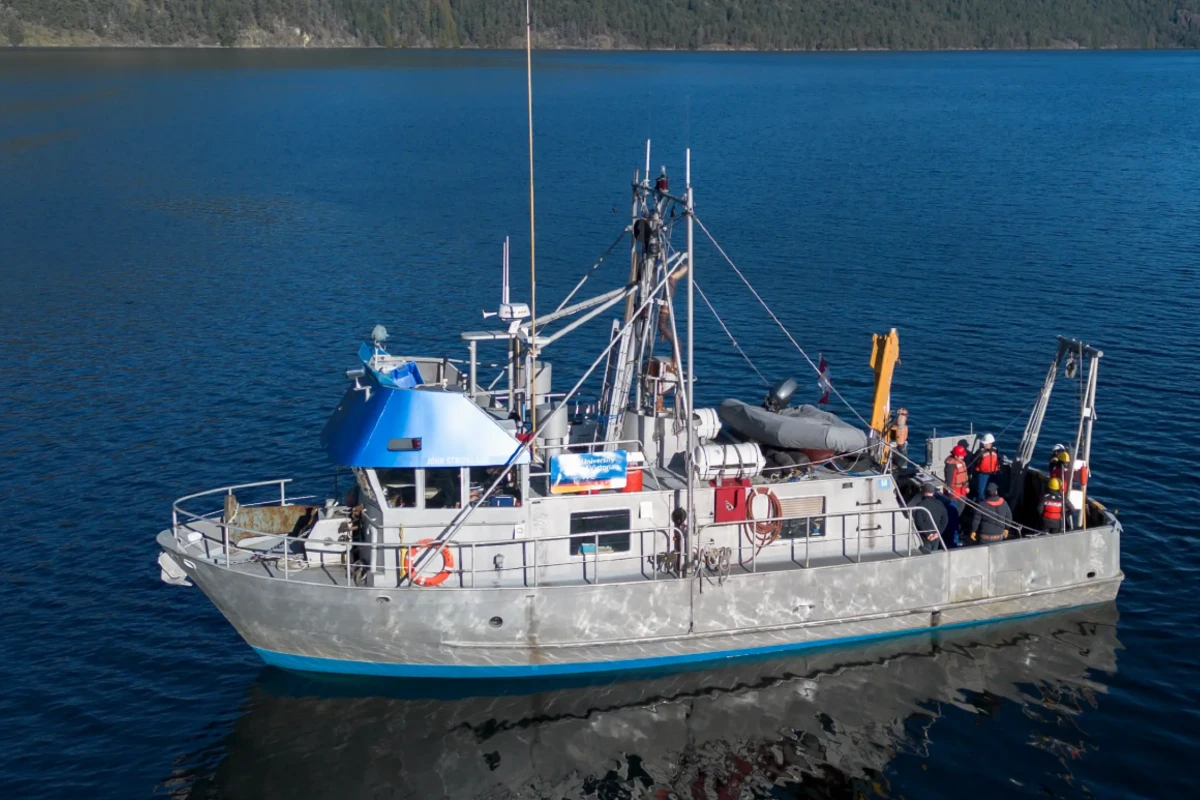
The RV John Strickland turned 50 on November 4 this year, and we couldn’t let to occasion pass without celebrating. The Strickland plays a key role in research and teaching for UVic’s biology and earth and ocean sciences departments, and is a cornerstone of experiential learning. We celebrated the boat with an alumni event at the Shaw Centre for the Salish Sea in August, and a birthday party for students in November.
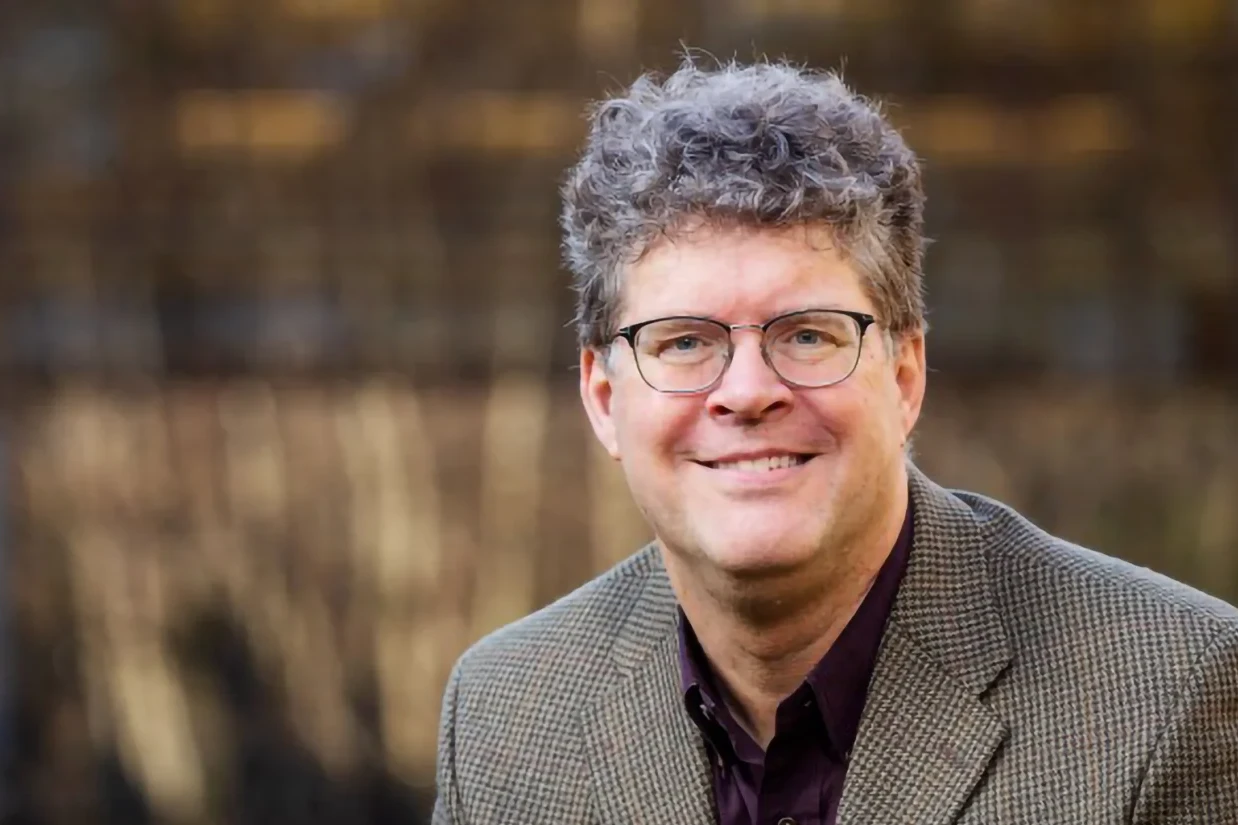
In May, mathematical ecologist Mark Lewis was inducted to the Fellowship of the Royal Society, the UK’s national academy of sciences. Lewis works at the intersection of mathematical analysis and environmental biology. He has formed new mathematical theory that has allowed scientists to model animal movements and territories, identify ecological dynamics in aquatic systems and determine the spread of invasive species and of disease among wildlife. His research has revealed how the natural world works and the impacts of our human activity, while also influencing policies and regulations along the way.
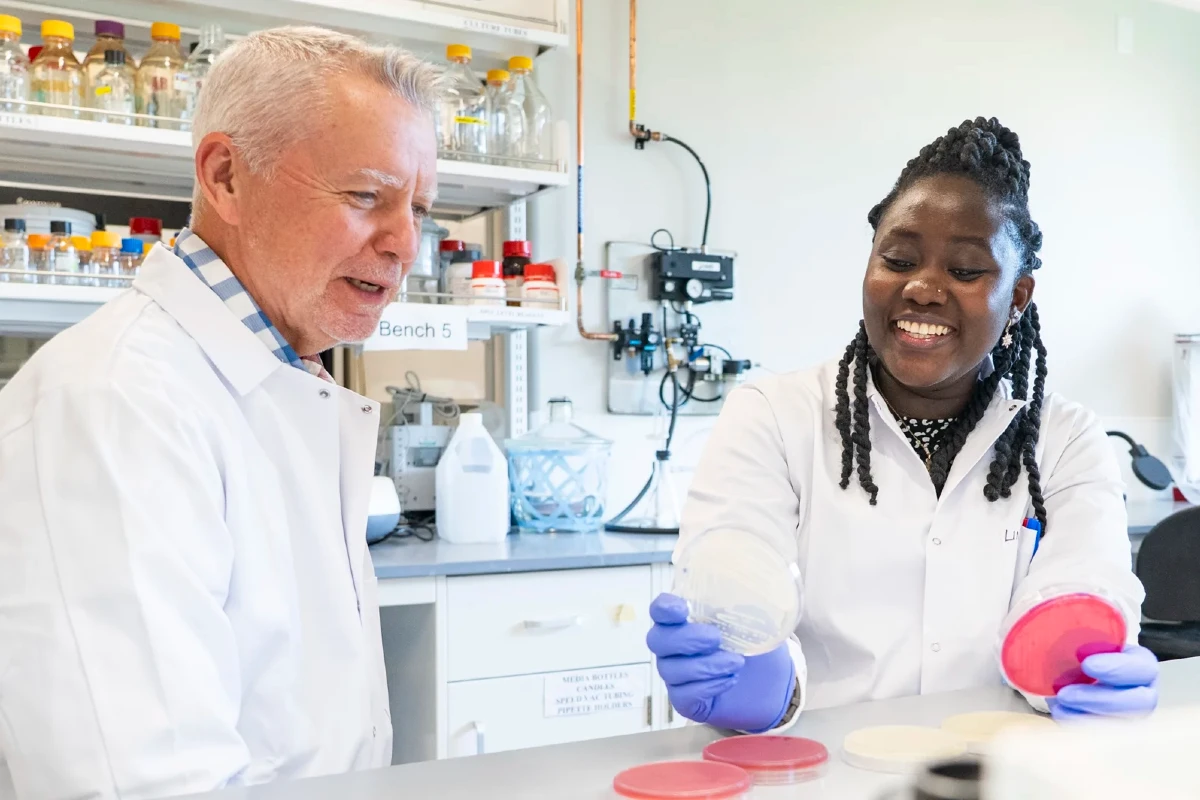
Urinary tract infections (UTIs) affect 150 million people every year and are among the most common causes of visits to primary care settings, but getting a definitive diagnosis can take up to three days. Led by PhD student Linda Nartey, researchers in the Goodlett Lab have developed a faster and more accurate way to identify these infections. Their new technique, which looks for specific lipids in bacterial membranes, returns results in only an hour.
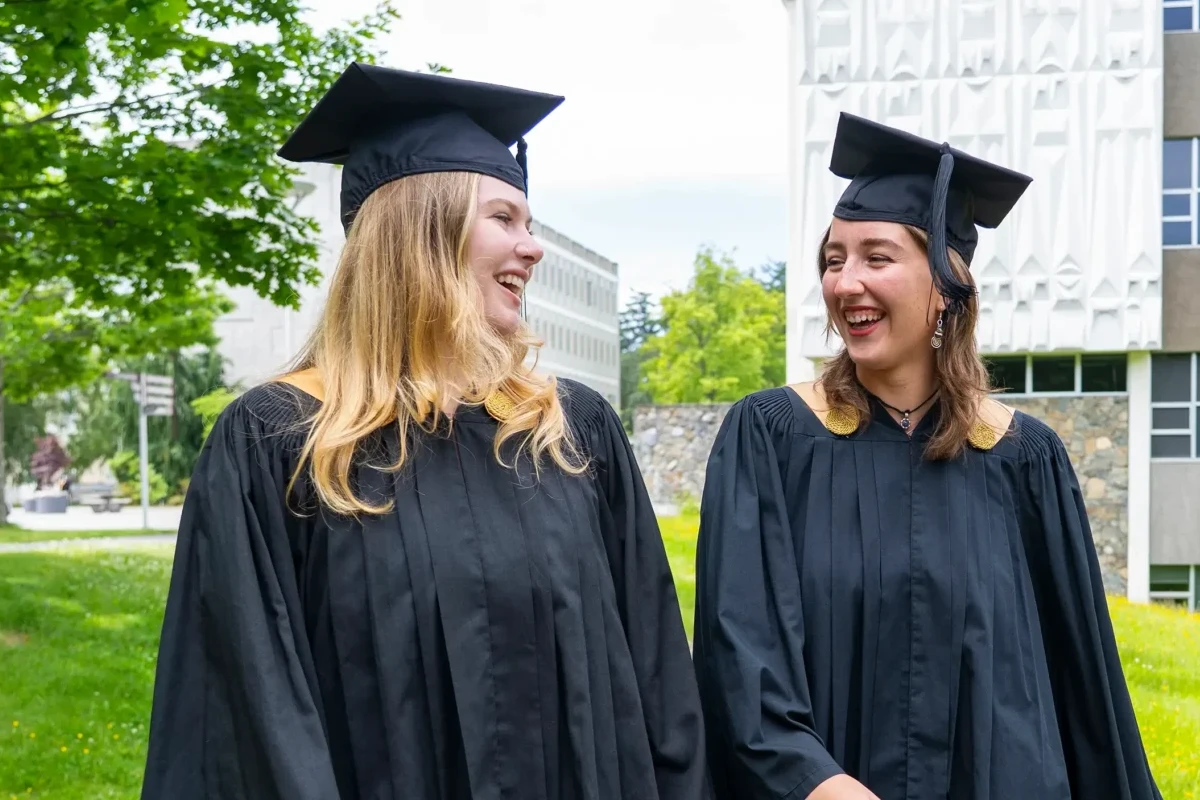
Just two years after launching our climate science program, we celebrated our first two graduates back in June. Camryn Thompson and Maya deWitt shared their experiences in the program, from conducting honours projects, to completing the climate solutions course, to building the climate science community. A third student, Quinn Bitz, also graduated from the program this fall.
In March, UVic chemistry professor David Leitch was announced as one of eight recipients of the Dorothy Killam Fellowship. The Fellowship recognizes leading researchers whose superior, ground-breaking and transformative research stands to positively improve the lives of Canadians. Leitch, a self-described ‘chemical cartographer’, is combining fundamental and applied chemistry with the goal of developing more sustainable platinum group metal catalysts.
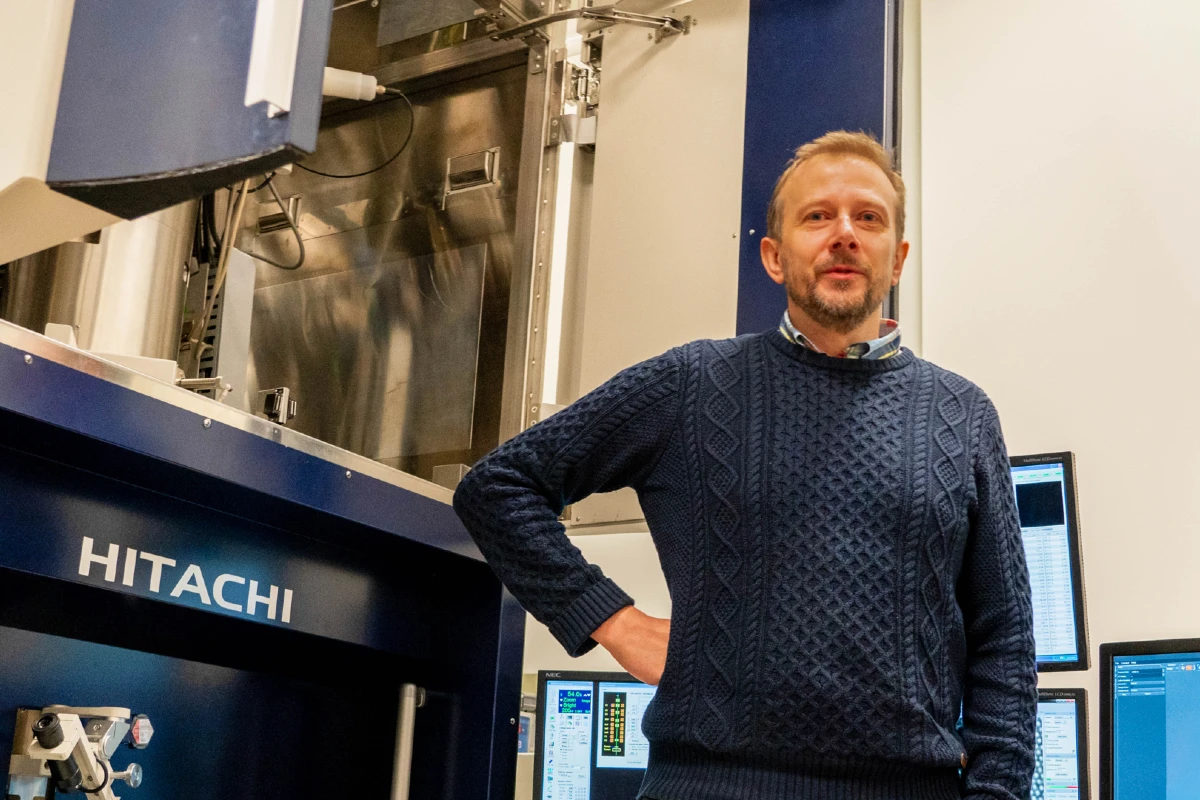
Arthur Blackburn, co-director of UVic’s Advanced Microscopy Facility and professor of physics, achieved a major breakthrough in electron microscopy this year, developing a new imaging technique that can achieve sub-Ångström resolution (less than one ten-billionth of a metre) using a compact, low-energy scanning electron microscope. This is a feat previously possible only with a large, high-cost transmission electron microscope, and the new technique will allow scientists to visualize atomic-scale structures with unprecedented clarity using lower-cost and lower-energy microscopes than ever before.
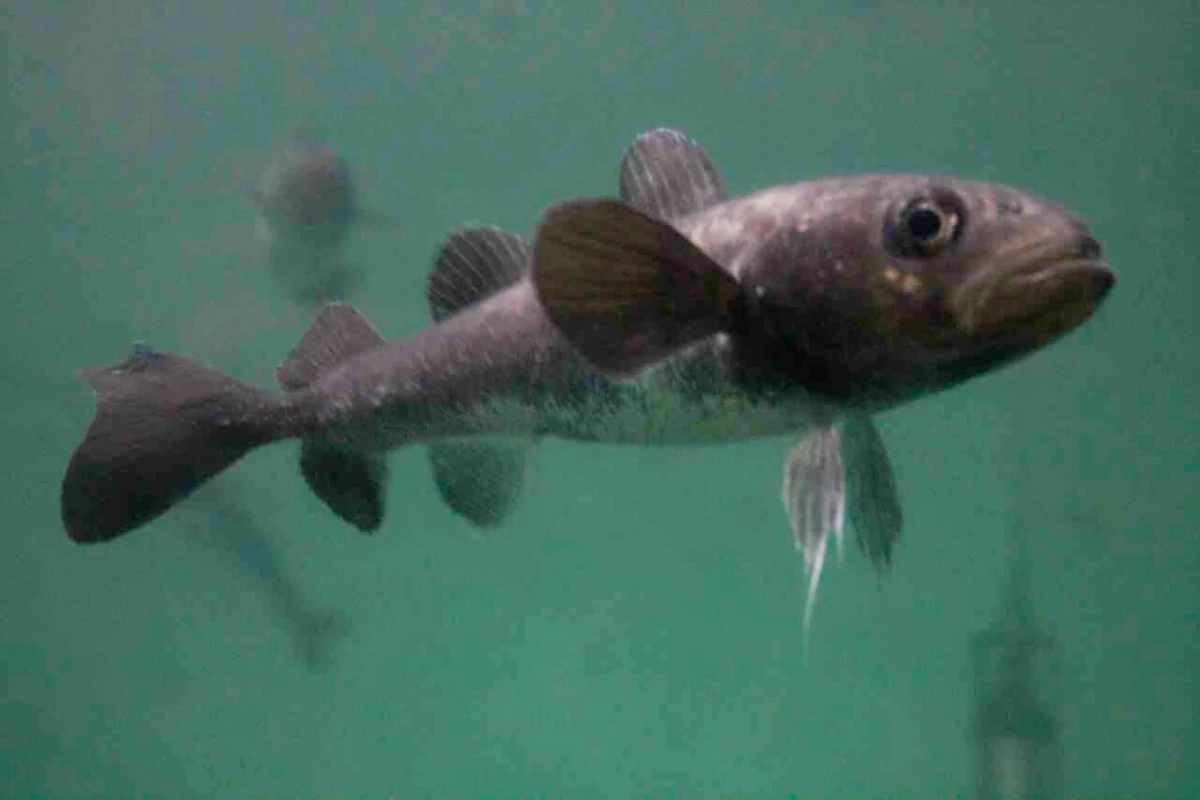
When marine biologist Amalis Riera put a hydrophone in an Arctic cod tank at the University of British Columbia , she identified the grunt of the Arctic cod for the very first time. This discovery marked the beginning of a multi-year research project led by UVic marine ecologist Francis Juanes, and to the production of the Codcast, a four-episode podcast series. The Codcast tells the story of the discovery of the Arctic cod grunt, what the research team has learned so far about the sound, and why fish sounds are so important.
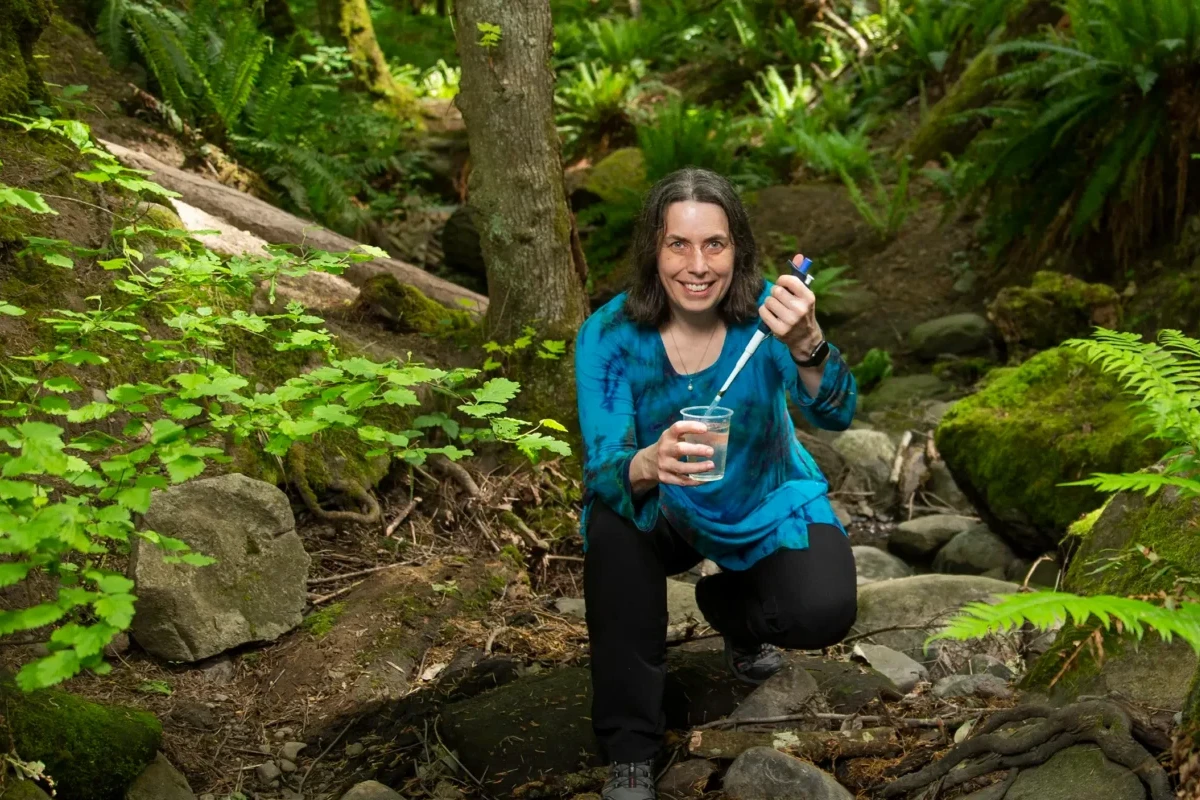
Biochemistry and microbiology professor Caren Helbing is bringing eDNA Explorer to Canada with the help of a $1.5 million grant from Genome BC. Environmental DNA (eDNA) is genetic material shed by living creatures, and can easily be found in water and soil samples. Once collected and identified, the data can be used to check on species at risk and invasive species, and to inform conservation and remediation efforts. The eDNA Explorer platform, which originated at the University of California Santa Cruz, brings together eDNA projects from around the world and allows users from beginners to experts to store, analyze and compare data.
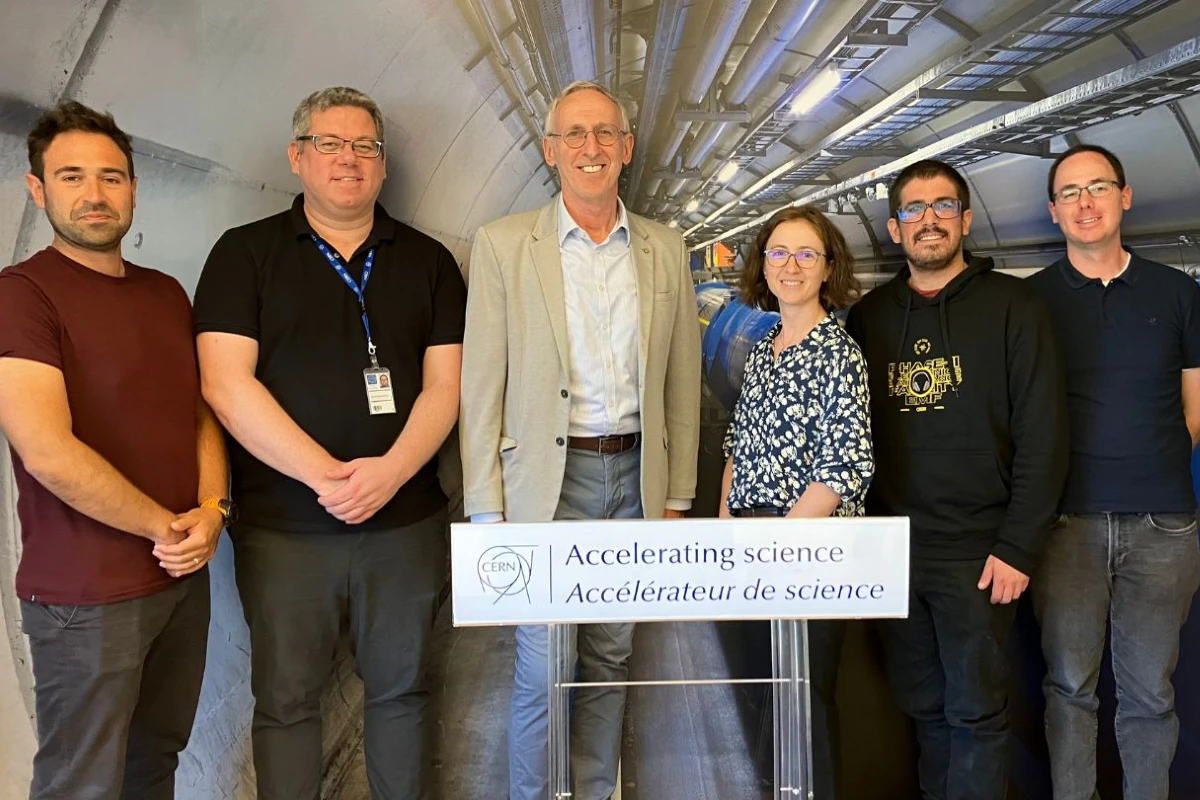
30 physicists and engineers from UVic were among global researchers honoured with the 2025 Breakthrough Prize in Fundamental Physics for their work with the ATLAS collaboration at CERN. ATLAS is investigating the fundamental building blocks of matter and the forces governing our universe, and has enabled discoveries like the Higgs boson. Robert McPherson, a UVic physicist and lead of the ATLAS Canada collaboration, received a renewed commitment of $18.8 million from NSERC this year to support the Canadian contingent.
From 2014 to 2016, the Pacific coast of North America experienced the longest marine heatwave ever recorded, with temperatures reaching two to six degrees above historical averages over a prolonged period. In 2025, researchers from the Baum Lab compiled a comprehensive overview of the heatwave’s ecological impacts, highlighting how marine heatwaves can dramatically impact marine ecosystems and offering a stark preview of how future ocean warming will reshape ocean life.
